

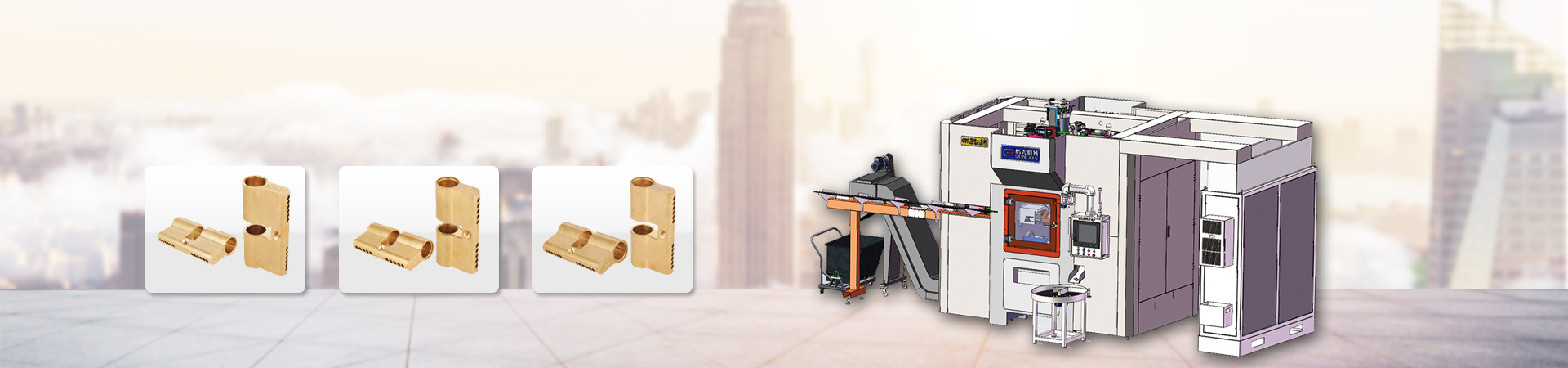
Exploring the Versatile Applications of All-in-One Machines in Padlock Manufacturing
Release time:
Jan 27,2026
Exploring the Versatile Applications of All-in-One Machines in Padlock Manufacturing Table of Contents 1. Introduction to Padlock Manufacturing 2. The Importance of Efficiency in Manufacturing 3. What Are All-in-One Machines? 4. Applications of All-in-One Machines in Padlock Manufacturing 4.1 Design and Prototyping 4.2 Production and Assembly 4.3 Quality Testing

Exploring the Versatile Applications of All-in-One Machines in Padlock Manufacturing
Table of Contents
- 1. Introduction to Padlock Manufacturing
- 2. The Importance of Efficiency in Manufacturing
- 3. What Are All-in-One Machines?
- 4. Applications of All-in-One Machines in Padlock Manufacturing
- 4.1 Design and Prototyping
- 4.2 Production and Assembly
- 4.3 Quality Testing
- 4.4 Packaging and Distribution
- 5. Benefits of Using All-in-One Machines
- 6. Challenges in Adopting All-in-One Machines
- 7. The Future of All-in-One Machines in Padlock Manufacturing
- 8. Frequently Asked Questions
- 9. Conclusion
1. Introduction to Padlock Manufacturing
The padlock industry is pivotal in the realm of security and safety solutions. As the demand for durable and reliable locks continues to rise, manufacturers are constantly seeking innovative ways to optimize production processes. One such innovation is the all-in-one machine, a revolutionary tool that integrates multiple manufacturing steps into a single unit. This article delves deeply into the various applications of all-in-one machines in padlock manufacturing and how they enhance efficiency, reduce costs, and improve product quality.
2. The Importance of Efficiency in Manufacturing
Efficiency is the cornerstone of any successful manufacturing industry. In padlock manufacturing, the ability to produce high-quality locks quickly and cost-effectively can significantly impact a company's competitiveness. With the market becoming increasingly saturated, manufacturers are under pressure to streamline operations without compromising quality. All-in-one machines offer a solution by consolidating several manufacturing processes, thus saving time and resources.
3. What Are All-in-One Machines?
All-in-one machines are advanced manufacturing tools designed to perform multiple tasks within a single setup. These machines can handle everything from cutting and shaping raw materials to assembling components and performing quality checks. By integrating various functions, all-in-one machines eliminate the need for separate machines, reducing floor space and enhancing workflow.
3.1 Features of All-in-One Machines
All-in-one machines come equipped with various features that make them invaluable in the padlock manufacturing process, including:
- **Versatility**: Capable of performing a wide range of tasks.
- **Automation**: Reduces manual labor and minimizes human error.
- **Precision**: Ensures high accuracy in production.
- **Real-Time Monitoring**: Facilitates immediate feedback on production quality.
4. Applications of All-in-One Machines in Padlock Manufacturing
All-in-one machines have several applications in the padlock manufacturing sector. Below are the primary ways these machines are utilized:
4.1 Design and Prototyping
The first step in padlock manufacturing is designing the lock. All-in-one machines can assist in creating prototypes by quickly producing models that enable manufacturers to test functionality and aesthetics before mass production. This reduces the time and cost associated with design revisions.
4.2 Production and Assembly
Once the design is finalized, all-in-one machines streamline the production process. They can handle everything from cutting metal to molding plastic components, significantly reducing production time. Additionally, these machines can automate the assembly process, ensuring consistent quality across all products.
4.3 Quality Testing
Quality assurance is critical in padlock manufacturing. All-in-one machines can conduct various tests, such as strength and durability assessments, as part of the production line. This integrated testing process allows for immediate adjustments if any issues arise, maintaining high standards of quality.
4.4 Packaging and Distribution
After production, packaging is the final step before distribution. All-in-one machines can also automate this process, ensuring that each padlock is securely packaged and ready for shipment. This helps manufacturers save time and labor costs while enhancing the overall efficiency of the supply chain.
5. Benefits of Using All-in-One Machines
Implementing all-in-one machines in padlock manufacturing offers numerous advantages:
5.1 Cost-Effectiveness
By reducing the number of machines required and minimizing downtime, manufacturers can lower their overall operational costs.
5.2 Space Optimization
All-in-one machines take up less floor space compared to traditional setups, allowing manufacturers to optimize their production facilities.
5.3 Enhanced Production Speed
With the ability to automate multiple processes, all-in-one machines significantly increase production speed, allowing manufacturers to respond more quickly to market demands.
5.4 Improved Product Quality
Precision and real-time monitoring features ensure that each padlock meets strict quality standards, enhancing customer satisfaction.
6. Challenges in Adopting All-in-One Machines
While the advantages are compelling, manufacturers may face challenges when adopting all-in-one machines. These include:
6.1 Initial Investment Costs
The upfront costs of purchasing all-in-one machines can be significant, which may deter some manufacturers.
6.2 Training Requirements
Staff may require extensive training to operate these advanced machines effectively, leading to temporary disruptions in production.
6.3 Maintenance and Upkeep
All-in-one machines demand regular maintenance to ensure optimal performance. This can lead to additional costs and downtime if not managed effectively.
7. The Future of All-in-One Machines in Padlock Manufacturing
Looking ahead, the role of all-in-one machines in padlock manufacturing is poised to expand. With advancements in technology, we can expect improvements in automation, artificial intelligence, and machine learning, further enhancing efficiency and reducing costs. As manufacturers continue to seek competitive advantages, all-in-one machines will likely become a standard in the industry.
8. Frequently Asked Questions
8.1 What are the primary benefits of all-in-one machines in padlock manufacturing?
The key benefits include cost-effectiveness, space optimization, enhanced production speed, and improved product quality.
8.2 Are all-in-one machines suitable for small-scale manufacturers?
Yes, all-in-one machines can be beneficial for small-scale manufacturers by providing cost and space efficiencies.
8.3 How do all-in-one machines impact product quality?
These machines enhance product quality through precision manufacturing and integrated quality testing measures.
8.4 What challenges might manufacturers face when implementing all-in-one machines?
Challenges can include high initial costs, the need for staff training, and maintenance requirements.
8.5 Will all-in-one machines continue to evolve in the future?
Yes, with ongoing technological advancements, we can expect all-in-one machines to become even more efficient and capable in the future.
9. Conclusion
In the fast-paced world of padlock manufacturing, all-in-one machines offer a transformative solution that enhances efficiency, quality, and cost-effectiveness. As the industry continues to evolve, these machines will play an increasingly pivotal role in shaping the future of manufacturing. By understanding their applications and benefits, manufacturers can make informed decisions to improve their production processes and maintain a competitive edge in the market. Embracing the potential of all-in-one machines is not just an option; it is a strategic necessity for success in the ever-competitive padlock industry.
Related News
From Concept to Reality: Building an All-in-One Machine for Fire Sprinkler Heads
From Concept to Reality: Building an All-in-One Machine for Fire Sprinkler Heads Table of Contents 1. Introduction to Fire Sprinkler Systems 2. The Importance of Fire Sprinkler Heads in Safety 3. Conceptualizing the All-in-One Machine 4. The Design Process: From Idea to Blueprint 5. Addressing Engineering Challenges 6. Manufacturing the All-in-One Machine 7. Testing and Quality Assu
The Essential Role of Floating Ball Valve All-in-One Machines in Modern Hardware
The Essential Role of Floating Ball Valve All-in-One Machines in Modern Hardware Hardware tools play a crucial role in various industries, from construction to manufacturing. Among these indispensable tools, **floating ball valve all-in-one machines** have emerged as vital components, enhancing efficiency and functionality in modern hardware applications. This article delves into the significance
Enhancing Supply Chain Efficiency: The Comprehensive Benefits of All-in-One Ball Valve Solutions
Enhancing Supply Chain Efficiency: The Comprehensive Benefits of All-in-One Ball Valve Solutions Table of Contents 1. Introduction to Supply Chain Efficiency and Ball Valves 2. What Are All-in-One Ball Valves? 3. The Importance of Supply Chain Efficiency in Industrial Operations 4. Benefits of All-in-One Ball Valve Solutions 5. Applications of Ball Valves Across Industries
Contact Us
Address: No.5, Meiyuxi 1st Road, Yuanmei Village, Luncang Town, Nanan City, Quanzhou City, Fujian Province
Contact: Zeng Manager
Mobile phone: +8615985886969 / +8617689338707/ +8617607975000
E-mail:1656573095@qq.com
Website:http://www.gemeimachinery.com
Youtube website:https://www.youtube.com/@user-tw5mf7ms7w

Add WeChat

Add WeChat
Copyright©2024 Quanzhou Gemei Machinery Equipment Co.,LTD | Business License | Powered by:www.300.cn | SEO Tags