

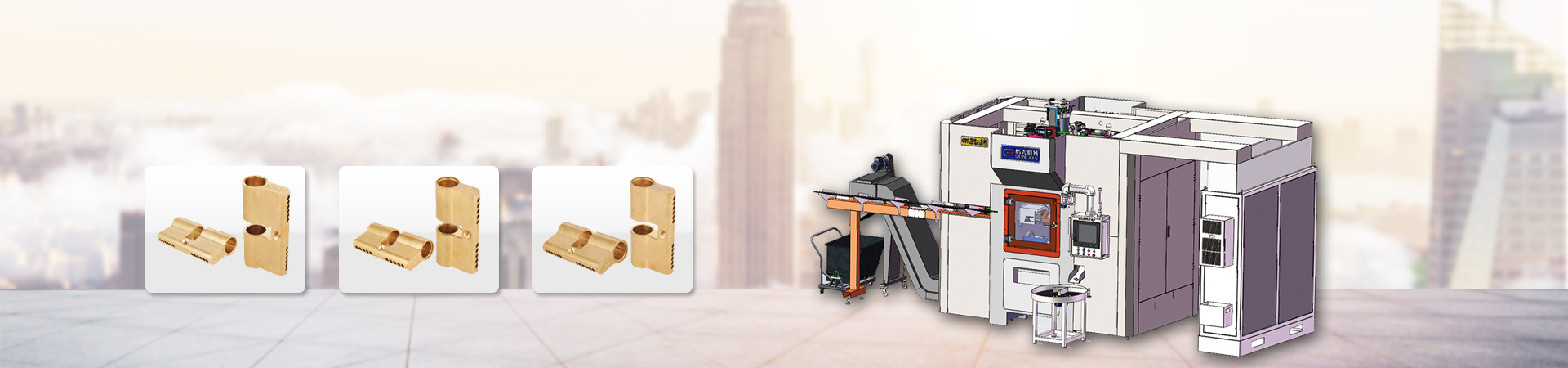
Floating Ball Valve All-in-One Machines: Simplifying Your Work Process
Release time:
Dec 23,2025
Floating Ball Valve All-in-One Machines: Simplifying Your Work Process Table of Contents 1. Introduction to Floating Ball Valve All-in-One Machines 2. Understanding Floating Ball Valves 3. Advantages of Using All-in-One Machines 4. Applications in Various Industries 5. Working Principle of Floating Ball Valve Machines 6. Key Features and Specifications

Floating Ball Valve All-in-One Machines: Simplifying Your Work Process
Table of Contents
- 1. Introduction to Floating Ball Valve All-in-One Machines
- 2. Understanding Floating Ball Valves
- 3. Advantages of Using All-in-One Machines
- 4. Applications in Various Industries
- 5. Working Principle of Floating Ball Valve Machines
- 6. Key Features and Specifications
- 7. Maintenance and Care for Longevity
- 8. Choosing the Right Floating Ball Valve Machine for Your Needs
- 9. Conclusion
- 10. FAQs
1. Introduction to Floating Ball Valve All-in-One Machines
In an era where efficiency and productivity are paramount, **Floating Ball Valve All-in-One Machines** emerge as a game-changer in various sectors, particularly in plumbing and manufacturing. Designed to simplify the work process, these machines consolidate multiple functionalities into a singular unit, thereby reducing the time and effort required to operate and maintain them. Understanding their role in modern industry can provide insights into how they enhance operational efficiencies.
2. Understanding Floating Ball Valves
Floating ball valves are integral components used to control the flow of fluids in pipelines. They consist of a hollow, perforated ball that rotates within the valve body. By turning the ball, the valve opens or closes the flow path, allowing or stopping the flow of the fluid. This simple yet effective mechanism is known for its durability and reliability, making it a preferred choice in various applications.
2.1 Why Floating Ball Valves Are Preferred
**Floating ball valves** offer several advantages over other valve types. They provide:
- **Low Operating Torque**: This feature allows for easy manipulation, even in high-pressure applications.
- **Tight Seal**: The ball's design ensures a tight seal when closed, minimizing leakage risks.
- **Versatility**: Suitable for various fluids, including water, oil, and gas, they are adaptable to multiple applications.
3. Advantages of Using All-in-One Machines
Floating Ball Valve All-in-One Machines encapsulate the functionalities of multiple devices into one cohesive unit. This integration provides a plethora of advantages:
3.1 Enhanced Efficiency
By combining multiple processes into one machine, workflows become streamlined. Tasks that previously required several machines can now be accomplished with just one, saving both time and labor.
3.2 Cost Savings
Investing in an all-in-one machine can lead to significant cost reductions. Fewer machines mean less maintenance and lower energy consumption, translating to lower operational costs.
3.3 Space Optimization
In industrial settings, space is often at a premium. Having a single machine that fulfills multiple roles helps to maximize available space, allowing for a more organized and efficient workspace.
4. Applications in Various Industries
Floating Ball Valve All-in-One Machines find their applications across diverse industries:
4.1 Plumbing
In plumbing, these machines facilitate the regulation of water flow, ensuring systems operate smoothly and efficiently.
4.2 Manufacturing
Manufacturing processes often involve fluid dynamics, where floating ball valves are crucial for maintaining control over material flow, ensuring product quality and consistency.
4.3 Oil and Gas
In the oil and gas industry, accurate flow control is vital for safety and efficiency. Floating ball valves help to manage the transport of these critical resources effectively.
5. Working Principle of Floating Ball Valve Machines
Understanding the working principle of Floating Ball Valve All-in-One Machines can help users optimize their operations.
5.1 Operation Mechanics
The operation begins with the machine's control system, which dictates the movement of the ball within the valve. By adjusting the position of the control lever, users can manipulate the flow of fluid:
- **Open Position**: When the ball is rotated to the open position, fluid can easily flow through the valve.
- **Closed Position**: Rotating the ball to the closed position seals the opening, halting any fluid movement.
5.2 Automation Features
Many modern floating ball valve machines come equipped with automation features, enhancing ease of use. Automated systems can monitor pressure and flow rates, adjusting the valve's position as needed for optimal performance.
6. Key Features and Specifications
When considering Floating Ball Valve All-in-One Machines, several key features and specifications should be taken into account:
6.1 Material Quality
High-quality materials resist corrosion and wear, ensuring longevity. Stainless steel and brass are commonly used due to their durability.
6.2 Size and Compatibility
It’s critical to select a machine that fits the specific requirements of your applications. Machines come in various sizes and compatibility options to suit different pipeline dimensions.
6.3 User Interface
A user-friendly interface enhances operational efficiency, allowing for easy adjustments and monitoring.
6.4 Safety Features
Incorporating safety features like pressure relief valves and emergency shut-off mechanisms can protect both operators and equipment.
7. Maintenance and Care for Longevity
To ensure the longevity and optimal performance of Floating Ball Valve All-in-One Machines, routine maintenance is essential:
7.1 Regular Inspections
Conducting regular inspections can help catch issues before they escalate. Check for leaks, corrosion, and wear on moving parts.
7.2 Cleaning
Keeping the machine clean of debris and buildup will help maintain its functionality and prolong its lifespan.
7.3 Operator Training
Training operators on the correct usage and maintenance practices can reduce the likelihood of mishandling or damage.
8. Choosing the Right Floating Ball Valve Machine for Your Needs
Selecting the appropriate Floating Ball Valve All-in-One Machine is crucial for maximizing efficiency. Consider the following factors:
8.1 Assess Your Needs
Analyze your specific application requirements, including fluid type, flow rates, and environmental conditions.
8.2 Consult with Experts
Engaging with industry experts can provide insights into the best options available based on your operational needs.
8.3 Explore Different Brands
Evaluate various brands and models to ensure you select a machine that offers the best features and reliability.
9. Conclusion
Floating Ball Valve All-in-One Machines offer significant advancements in efficiency and productivity for various sectors. By simplifying work processes and combining multiple functionalities, these machines not only save time but also reduce costs and enhance operational workflows. Investing in these innovative machines can ensure streamlined processes, making them indispensable tools in modern industrial applications.
10. FAQs
10.1 What is a floating ball valve machine used for?
A floating ball valve machine is used primarily for controlling fluid flow in pipelines, ensuring efficient and reliable operation in various industrial applications.
10.2 How do I maintain my floating ball valve machine?
Regular inspections, cleaning, and operator training are essential for maintaining your floating ball valve machine and ensuring its longevity.
10.3 What are the advantages of using all-in-one machines?
All-in-one machines streamline workflows, reduce operational costs, and optimize space, making them highly efficient for industrial applications.
10.4 Can these machines be automated?
Yes, many modern floating ball valve machines feature automation capabilities, allowing for real-time monitoring and adjustments to fluid flow.
10.5 What materials are commonly used in floating ball valve machines?
Common materials include stainless steel and brass, known for their durability and resistance to corrosion.
Related News
From Concept to Reality: Building an All-in-One Machine for Fire Sprinkler Heads
From Concept to Reality: Building an All-in-One Machine for Fire Sprinkler Heads Table of Contents 1. Introduction to Fire Sprinkler Systems 2. The Importance of Fire Sprinkler Heads in Safety 3. Conceptualizing the All-in-One Machine 4. The Design Process: From Idea to Blueprint 5. Addressing Engineering Challenges 6. Manufacturing the All-in-One Machine 7. Testing and Quality Assu
The Essential Role of Floating Ball Valve All-in-One Machines in Modern Hardware
The Essential Role of Floating Ball Valve All-in-One Machines in Modern Hardware Hardware tools play a crucial role in various industries, from construction to manufacturing. Among these indispensable tools, **floating ball valve all-in-one machines** have emerged as vital components, enhancing efficiency and functionality in modern hardware applications. This article delves into the significance
Enhancing Supply Chain Efficiency: The Comprehensive Benefits of All-in-One Ball Valve Solutions
Enhancing Supply Chain Efficiency: The Comprehensive Benefits of All-in-One Ball Valve Solutions Table of Contents 1. Introduction to Supply Chain Efficiency and Ball Valves 2. What Are All-in-One Ball Valves? 3. The Importance of Supply Chain Efficiency in Industrial Operations 4. Benefits of All-in-One Ball Valve Solutions 5. Applications of Ball Valves Across Industries
Contact Us
Address: No.5, Meiyuxi 1st Road, Yuanmei Village, Luncang Town, Nanan City, Quanzhou City, Fujian Province
Contact: Zeng Manager
Mobile phone: +8615985886969 / +8617689338707/ +8617607975000
E-mail:1656573095@qq.com
Website:http://www.gemeimachinery.com
Youtube website:https://www.youtube.com/@user-tw5mf7ms7w

Add WeChat

Add WeChat
Copyright©2024 Quanzhou Gemei Machinery Equipment Co.,LTD | Business License | Powered by:www.300.cn | SEO Tags