

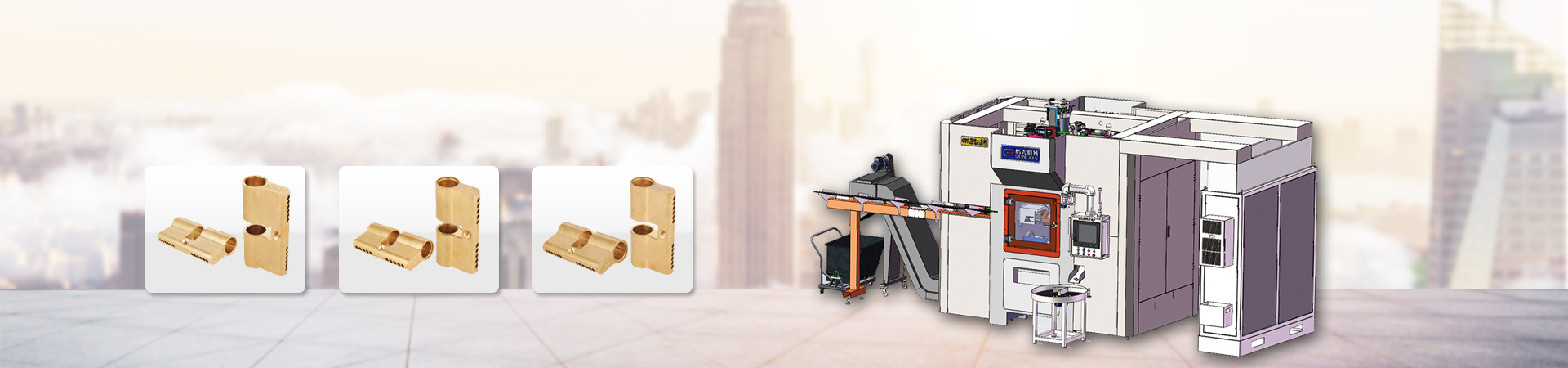
Maximizing Productivity with All-in-One Machines for Padlocks: The Ultimate Guide
Release time:
Nov 18,2025
Maximizing Productivity with All-in-One Machines for Padlocks Table of Contents 1. Introduction to All-in-One Machines 2. Benefits of Using All-in-One Machines for Padlocks 3. Key Features of All-in-One Machines 4. How All-in-One Machines Maximize Productivity 5. Cost-Effectiveness of All-in-One Machines 6. Ensuring Quality with Advanced Technology 7. Implementing All-

Maximizing Productivity with All-in-One Machines for Padlocks
Table of Contents
- 1. Introduction to All-in-One Machines
- 2. Benefits of Using All-in-One Machines for Padlocks
- 3. Key Features of All-in-One Machines
- 4. How All-in-One Machines Maximize Productivity
- 5. Cost-Effectiveness of All-in-One Machines
- 6. Ensuring Quality with Advanced Technology
- 7. Implementing All-in-One Solutions in Manufacturing
- 8. The Future of Padlock Manufacturing with All-in-One Machines
- 9. FAQs
- 10. Conclusion
1. Introduction to All-in-One Machines
In the fast-paced environment of modern manufacturing, efficiency and productivity are paramount. **All-in-one machines for padlocks** offer an innovative solution that streamlines the production process. These machines are designed to handle multiple tasks—from cutting and shaping to assembling various components—thereby reducing the need for multiple standalone machines.
With the increasing demand for padlocks, manufacturers must adapt to efficiently meet stringent market requirements. Implementing all-in-one machines can significantly enhance operational workflows, ensuring that production timelines are met without compromising quality.
2. Benefits of Using All-in-One Machines for Padlocks
The advantages of using all-in-one machines in padlock manufacturing are numerous:
2.1 Increased Efficiency
By combining functions into a single machine, manufacturers can reduce downtime and speed up the production cycle. For instance, instead of transferring components between different machines, the entire process occurs within one system, leading to faster output.
2.2 Reduced Labor Costs
An all-in-one machine requires fewer operators compared to the traditional setup. This reduction in manpower not only lowers labor costs but also minimizes the risk of human error, enhancing the overall reliability of the production process.
2.3 Space Saving
Manufacturing facilities often face space constraints. All-in-one machines consolidate multiple functions into one footprint, freeing up valuable floor space for other essential operations.
2.4 Versatility
These machines are designed to handle a variety of padlock types and materials, allowing manufacturers to diversify their product offerings without investing in multiple machines.
3. Key Features of All-in-One Machines
Understanding the specific features of all-in-one machines can help manufacturers make informed decisions when considering new equipment.
3.1 Modular Design
Many all-in-one machines feature a modular design that allows for easy upgrades and changes. This flexibility ensures that manufacturers can adapt to new technologies or production requirements without needing to invest in a completely new system.
3.2 Advanced Automation
The integration of automation technologies such as robotics and computer numerical control (CNC) ensures high precision and consistency in production. Automated systems minimize human error and enhance the quality of the final product.
3.4 User-Friendly Interface
Most all-in-one machines come equipped with intuitive control panels that simplify operation. This user-friendly technology allows operators to quickly adjust settings for different padlock types and sizes, reducing learning curves and operational delays.
4. How All-in-One Machines Maximize Productivity
The productivity of a manufacturing facility is directly linked to its equipment efficiency. All-in-one machines enhance productivity in several ways:
4.1 Streamlined Workflows
By integrating multiple processes, all-in-one machines create seamless workflows that minimize bottlenecks. Each stage of production flows into the next without interruption, leading to an increase in output.
4.2 Fast Changeover Times
Transitioning between different padlock models can be accomplished swiftly due to the machine's design. Quick changeover capabilities mean that manufacturers can respond promptly to market demands and customize their products according to client specifications.
4.3 Real-Time Monitoring
Many modern all-in-one machines feature real-time monitoring systems that provide data on production speed, material usage, and machine health. This information allows for proactive maintenance and immediate adjustments, preventing potential delays in production.
5. Cost-Effectiveness of All-in-One Machines
Investing in all-in-one machines can be a financially sound decision for padlock manufacturers. Here are some ways these machines prove to be cost-effective:
5.1 Lower Initial Investment
While the upfront cost of an all-in-one machine may be higher than a single-function machine, the overall investment is typically lower when considering the need for fewer machines.
5.2 Decreased Maintenance Costs
Fewer machines mean lower maintenance costs and simplified service requirements. Manufacturers can allocate resources more effectively, focusing on key maintenance areas rather than managing multiple systems.
5.3 Enhanced Profit Margins
By increasing production efficiency and reducing operational costs, manufacturers can improve their profit margins significantly. This financial flexibility allows companies to reinvest in their operations or explore new market opportunities.
6. Ensuring Quality with Advanced Technology
Quality assurance is a critical factor in padlock manufacturing. All-in-one machines incorporate advanced technologies that enhance product quality:
6.1 Precision Engineering
All-in-one machines use state-of-the-art technology to ensure that every padlock is produced to exact specifications. This precision minimizes defects and increases customer satisfaction.
6.2 Consistency in Output
With automation and real-time monitoring, manufacturers can achieve consistent output across production runs. This reliability is essential for maintaining customer trust and establishing a solid market reputation.
6.3 Quality Control Systems
Many machines come equipped with built-in quality control systems that monitor key production metrics. These systems can detect anomalies, allowing for immediate corrections before defects reach the market.
7. Implementing All-in-One Solutions in Manufacturing
Transitioning to all-in-one machines requires careful planning and execution. Here’s how to implement this technology effectively:
7.1 Assessing Current Production Processes
Before investing in new equipment, manufacturers should conduct a thorough analysis of their current production processes. Identifying inefficiencies and areas for improvement can help in selecting the right all-in-one machine.
7.2 Employee Training
To maximize the benefits of new technology, investing in employee training is crucial. Operators should be well-versed in the machine's capabilities and maintenance requirements to ensure optimal performance.
7.3 Gradual Integration
Instead of a full-scale transition, consider gradually integrating all-in-one machines into your workflow. This phased approach allows for adjustments and troubleshooting without severely disrupting production.
8. The Future of Padlock Manufacturing with All-in-One Machines
As technology continues to evolve, the future of padlock manufacturing looks promising with all-in-one machines at the forefront. Innovations such as artificial intelligence and machine learning are expected to further enhance production capabilities, optimizing processes and improving product quality.
Manufacturers who adopt these advanced technologies will likely maintain a competitive edge in the market, catering to ever-changing consumer demands and preferences.
9. FAQs
What types of padlocks can all-in-one machines produce?
All-in-one machines are versatile and can produce various padlock types, including key-operated, combination, and smart padlocks.
How do all-in-one machines compare to traditional manufacturing methods?
All-in-one machines offer streamlined workflows, reduced labor costs, and increased efficiency compared to traditional, multi-machine setups.
Are all-in-one machines suitable for small-scale manufacturers?
Yes, small-scale manufacturers can benefit from all-in-one machines as they allow for flexibility, easy operation, and reduced costs.
What maintenance is required for all-in-one machines?
Regular maintenance should include cleaning, lubrication, and periodic inspections to ensure optimal performance.
How can I choose the right all-in-one machine for my needs?
Assess your production volume, the types of padlocks you manufacture, and your budget to find a machine that best fits your operational requirements.
10. Conclusion
All-in-one machines for padlocks represent a significant advancement in manufacturing technology. By maximizing productivity, reducing costs, and ensuring high-quality outputs, these machines are poised to transform the padlock industry. As market demands evolve, investing in all-in-one solutions will not only enhance operational efficiency but also secure a competitive advantage. Embracing this innovative technology will enable manufacturers to thrive in a dynamic landscape, paving the way for future growth and success.
Related News
From Concept to Reality: Building an All-in-One Machine for Fire Sprinkler Heads
From Concept to Reality: Building an All-in-One Machine for Fire Sprinkler Heads Table of Contents 1. Introduction to Fire Sprinkler Systems 2. The Importance of Fire Sprinkler Heads in Safety 3. Conceptualizing the All-in-One Machine 4. The Design Process: From Idea to Blueprint 5. Addressing Engineering Challenges 6. Manufacturing the All-in-One Machine 7. Testing and Quality Assu
The Essential Role of Floating Ball Valve All-in-One Machines in Modern Hardware
The Essential Role of Floating Ball Valve All-in-One Machines in Modern Hardware Hardware tools play a crucial role in various industries, from construction to manufacturing. Among these indispensable tools, **floating ball valve all-in-one machines** have emerged as vital components, enhancing efficiency and functionality in modern hardware applications. This article delves into the significance
Enhancing Supply Chain Efficiency: The Comprehensive Benefits of All-in-One Ball Valve Solutions
Enhancing Supply Chain Efficiency: The Comprehensive Benefits of All-in-One Ball Valve Solutions Table of Contents 1. Introduction to Supply Chain Efficiency and Ball Valves 2. What Are All-in-One Ball Valves? 3. The Importance of Supply Chain Efficiency in Industrial Operations 4. Benefits of All-in-One Ball Valve Solutions 5. Applications of Ball Valves Across Industries
Contact Us
Address: No.5, Meiyuxi 1st Road, Yuanmei Village, Luncang Town, Nanan City, Quanzhou City, Fujian Province
Contact: Zeng Manager
Mobile phone: +8615985886969 / +8617689338707/ +8617607975000
E-mail:1656573095@qq.com
Website:http://www.gemeimachinery.com
Youtube website:https://www.youtube.com/@user-tw5mf7ms7w

Add WeChat

Add WeChat
Copyright©2024 Quanzhou Gemei Machinery Equipment Co.,LTD | Business License | Powered by:www.300.cn | SEO Tags