

Transform Your Lock Manufacturing Process with an All-in-One Machine: A Game Changer in the Industry
Release time:
May 04,2025
Transform Your Lock Manufacturing Process with an All-in-One Machine Table of Contents Introduction to All-in-One Lock Manufacturing Machines What is an All-in-One Lock Manufacturing Machine? Benefits of Using All-in-One Machines in Lock Manufacturing Key Features of Modern All-in-One Lock Manufacturing Machines Impact on Manufacturing Efficiency Cost Reduction and Savings

Transform Your Lock Manufacturing Process with an All-in-One Machine
Table of Contents
- Introduction to All-in-One Lock Manufacturing Machines
- What is an All-in-One Lock Manufacturing Machine?
- Benefits of Using All-in-One Machines in Lock Manufacturing
- Key Features of Modern All-in-One Lock Manufacturing Machines
- Impact on Manufacturing Efficiency
- Cost Reduction and Savings Through All-in-One Machines
- Implementing All-in-One Machines in Your Production Line
- Common Misconceptions About All-in-One Machines
- The Future of Lock Manufacturing with Advanced Technology
- Frequently Asked Questions (FAQs)
- Conclusion
Introduction to All-in-One Lock Manufacturing Machines
In today’s competitive market, efficiency and quality define success in the lock manufacturing industry. As manufacturers seek to enhance their production processes, the introduction of **all-in-one machines** has emerged as a **revolutionary solution**. These machines integrate multiple manufacturing functions into a single unit, streamlining operations and maximizing productivity.
This article delves into how all-in-one machines transform the lock manufacturing process. Discover the benefits, features, and implementation strategies that can elevate your production capabilities.
What is an All-in-One Lock Manufacturing Machine?
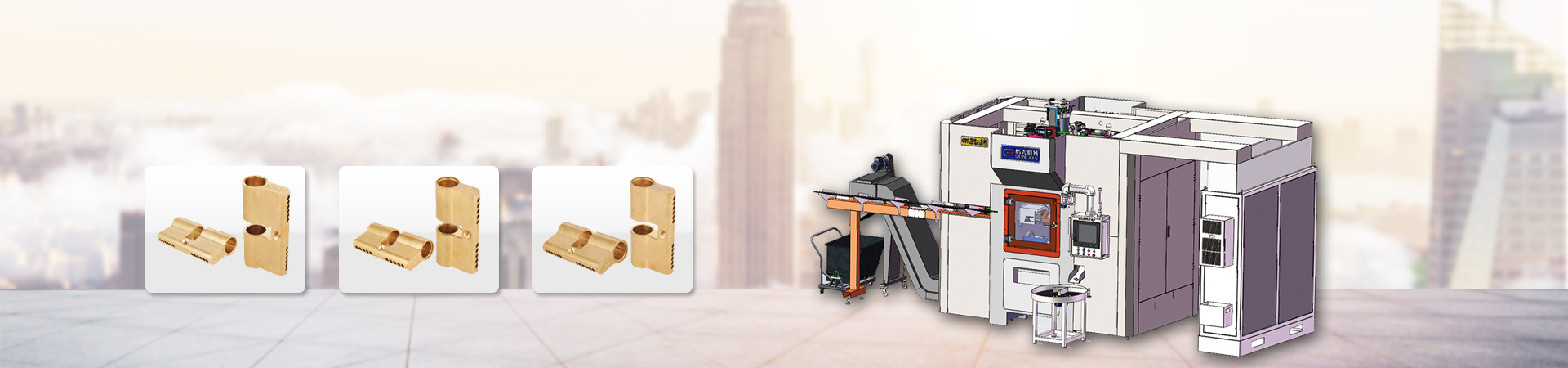
An all-in-one lock manufacturing machine is a versatile piece of equipment designed to handle various tasks in the production of locks, including:
- **Stamping**
- **Milling**
- **Drilling**
- **Finishing**
By consolidating these functions into one machine, manufacturers can reduce the need for multiple machines, saving space and minimizing operational complexities. This technology is particularly advantageous for small to medium-sized enterprises looking to maximize efficiency without substantial investments in multiple machines.
Benefits of Using All-in-One Machines in Lock Manufacturing
Integrating all-in-one machines into your lock manufacturing process offers numerous advantages:
1. Enhanced Efficiency
All-in-one machines streamline workflows by reducing the number of setups and changeovers required during production. This efficiency translates into shorter lead times and increased output.
2. Cost Savings
By minimizing the need for multiple machines, manufacturers can significantly reduce capital expenditures. Moreover, fewer machines lead to lower maintenance costs and reduced energy consumption.
3. Improved Quality Control
With all processes being handled within one machine, manufacturers can achieve greater consistency in product quality. Advanced technology ensures precise tolerances and finishes, reducing the likelihood of defects.
4. Flexibility
All-in-one machines can often be reconfigured to accommodate different lock designs or production runs. This versatility is crucial in a market that demands rapid adaptation to changing consumer preferences.
5. Space Optimization
Manufacturing facilities often face space constraints. By consolidating multiple functions into a single machine, space can be freed up for other essential operations, improving overall workflow.
Key Features of Modern All-in-One Lock Manufacturing Machines
When considering an all-in-one machine, certain features should be prioritized to ensure optimal performance:
1. CNC Capabilities
Computer Numerical Control (CNC) technology allows for precise machining operations, ensuring high accuracy and repeatability in lock production.
2. User-Friendly Interface
A modern all-in-one machine should feature an intuitive control interface that allows operators to easily navigate settings and monitor production processes.
3. Automation
Automation features, such as robotic arms for loading and unloading, can further enhance production efficiency and reduce labor costs.
4. Real-Time Monitoring
Advanced machines come equipped with monitoring systems that provide real-time data on machine performance, enabling proactive maintenance and minimizing downtime.
5. Adaptability for Different Lock Types
To cater to a diverse range of locks, machines should be versatile enough to handle various designs and specifications, from simple padlocks to complex electronic locking systems.
Impact on Manufacturing Efficiency
Integrating an all-in-one machine into your lock manufacturing process can lead to significant improvements in overall operational efficiency. Here’s how:
1. Reduced Downtime
With fewer machines in operation, the time spent on maintenance and repairs decreases. Additionally, the seamless integration of processes minimizes the chances of production halts.
2. Streamlined Workflow
By consolidating multiple functions into a single machine, manufacturers can create a streamlined workflow that enhances product movement from one stage to the next.
3. Lower Labor Requirements
As all-in-one machines often automate several processes, the need for manual labor is reduced, allowing companies to allocate human resources to other critical areas.
Cost Reduction and Savings Through All-in-One Machines
Investing in an all-in-one machine can lead to substantial cost savings in various ways:
1. Lower Capital Expenditure
With one machine replacing multiple units, manufacturers can significantly reduce initial investment costs.
2. Decreased Operational Costs
Fewer machines mean lower energy consumption, reduced maintenance expenses, and minimized material waste—contributing to overall profitability.
3. Economies of Scale
High-volume production capabilities can lead to economies of scale that further decrease per-unit costs, making it easier to remain competitive in pricing.
Implementing All-in-One Machines in Your Production Line
Successfully incorporating all-in-one machines into your lock manufacturing process requires careful planning and execution:
1. Conduct a Needs Assessment
Evaluate your current production processes to determine where an all-in-one machine can provide the most benefit. Identify any specific needs based on your product line.
2. Choose the Right Machine
Research various all-in-one machines on the market and select one that aligns with your manufacturing needs, budget, and future growth plans.
3. Train Your Staff
Ensure that your operators are adequately trained on the new machinery. Familiarity with the machine's features and functionalities will help maximize its potential.
4. Monitor Performance
After implementation, continuously monitor the machine's performance to identify areas for improvement. Utilize data analytics tools to track efficiency and quality metrics.
Common Misconceptions About All-in-One Machines
Despite the advantages of all-in-one machines, several misconceptions can hinder their adoption:
1. High Initial Investment
While the upfront cost may be significant, the long-term savings and efficiencies gained often outweigh the initial expenditure.
2. Complexity of Operation
Modern all-in-one machines are designed with user-friendly interfaces and automation features, making them accessible even to operators with limited technical expertise.
3. Limited Functionality
Some believe that all-in-one machines cannot perform specialized tasks as effectively as dedicated machines. However, advancements in technology have proven this notion wrong, with many machines offering high-performance capabilities.
The Future of Lock Manufacturing with Advanced Technology
The lock manufacturing industry is on the brink of a technological transformation. With advancements in automation, artificial intelligence, and smart manufacturing, the all-in-one machine will play a pivotal role in shaping the future of production processes. Key trends to watch include:
1. Smart Manufacturing
The integration of IoT (Internet of Things) technology will enable machines to communicate with each other, optimizing workflows and enhancing decision-making processes.
2. Customization
As consumer demand for personalized products grows, manufacturers will need to adapt machines for custom lock solutions, further emphasizing the importance of versatile all-in-one machines.
3. Sustainability
Environmental concerns will drive manufacturers to invest in more sustainable production technologies, including energy-efficient all-in-one machines that reduce waste and minimize environmental impact.
Frequently Asked Questions (FAQs)
1. What types of locks can be manufactured using an all-in-one machine?
An all-in-one machine can be utilized for various types of locks, including padlocks, deadbolts, electronic locks, and more, depending on its specifications.
2. How does an all-in-one machine improve quality control?
By consolidating multiple processes within one machine, manufacturers can achieve higher consistency and accuracy, reducing the likelihood of defects.
3. What are the maintenance requirements for all-in-one machines?
Regular maintenance is essential to ensure optimal performance. This typically includes routine inspections, lubrication, and software updates.
4. Can all-in-one machines be customized for specific manufacturing needs?
Yes, many manufacturers offer customizable features to cater to specific production requirements, making them versatile tools in the manufacturing toolkit.
5. What should I consider when selecting an all-in-one machine?
Key considerations include machine capabilities, ease of use, cost, and the level of support provided by the manufacturer.
Conclusion
Investing in an all-in-one lock manufacturing machine can significantly transform your production processes, leading to enhanced efficiency, quality, and cost savings. As the industry continues to evolve, adopting advanced manufacturing technologies will be crucial for staying competitive. By embracing the capabilities of all-in-one machines, manufacturers can position themselves for sustained success in the dynamic world of lock production.
With the right implementation strategies and a focus on continuous improvement, the all-in-one machine can become an invaluable asset in your lock manufacturing journey, paving the way for innovation and growth.
Related News
From Concept to Reality: Building an All-in-One Machine for Fire Sprinkler Heads
From Concept to Reality: Building an All-in-One Machine for Fire Sprinkler Heads Table of Contents 1. Introduction to Fire Sprinkler Systems 2. The Importance of Fire Sprinkler Heads in Safety 3. Conceptualizing the All-in-One Machine 4. The Design Process: From Idea to Blueprint 5. Addressing Engineering Challenges 6. Manufacturing the All-in-One Machine 7. Testing and Quality Assu
The Essential Role of Floating Ball Valve All-in-One Machines in Modern Hardware
The Essential Role of Floating Ball Valve All-in-One Machines in Modern Hardware Hardware tools play a crucial role in various industries, from construction to manufacturing. Among these indispensable tools, **floating ball valve all-in-one machines** have emerged as vital components, enhancing efficiency and functionality in modern hardware applications. This article delves into the significance
Enhancing Supply Chain Efficiency: The Comprehensive Benefits of All-in-One Ball Valve Solutions
Enhancing Supply Chain Efficiency: The Comprehensive Benefits of All-in-One Ball Valve Solutions Table of Contents 1. Introduction to Supply Chain Efficiency and Ball Valves 2. What Are All-in-One Ball Valves? 3. The Importance of Supply Chain Efficiency in Industrial Operations 4. Benefits of All-in-One Ball Valve Solutions 5. Applications of Ball Valves Across Industries
Contact Us
Address: No.5, Meiyuxi 1st Road, Yuanmei Village, Luncang Town, Nanan City, Quanzhou City, Fujian Province
Contact: Zeng Manager
Mobile phone: +8615985886969 / +8617689338707/ +8617607975000
E-mail:1656573095@qq.com
Website:http://www.gemeimachinery.com
Youtube website:https://www.youtube.com/@user-tw5mf7ms7w

Add WeChat

Add WeChat
Copyright©2024 Quanzhou Gemei Machinery Equipment Co.,LTD | Business License | Powered by:www.300.cn | SEO Tags