

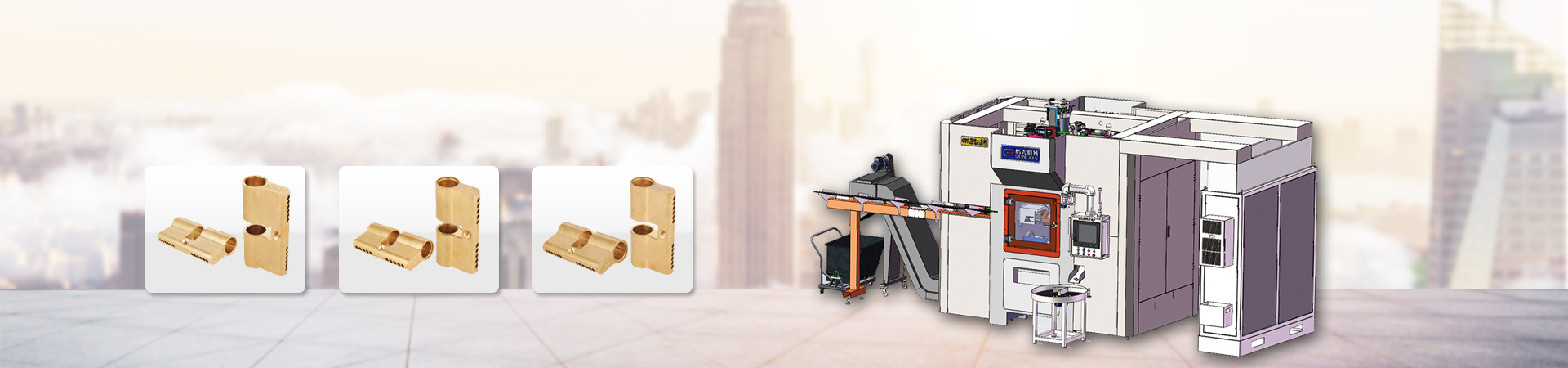
Unlock Precision: Exploring the Benefits of an All-in-One Machine for Knob Calibration
Release time:
Aug 28,2024
Unlocking Precision: The Comprehensive Benefits of an All-in-One Machine for Knob Calibration Table of Contents Introduction to Knob Calibration in Instrumentation The Importance of Accurate Calibration in Measuring Instruments Challenges in Traditional Knob Calibration Methods Advantages of All-in-One Knob Calibration Machines Key Features of Modern Knob Calibration Machi

Unlocking Precision: The Comprehensive Benefits of an All-in-One Machine for Knob Calibration
Table of Contents
- Introduction to Knob Calibration in Instrumentation
- The Importance of Accurate Calibration in Measuring Instruments
- Challenges in Traditional Knob Calibration Methods
- Advantages of All-in-One Knob Calibration Machines
- Key Features of Modern Knob Calibration Machines
- Applications of Knob Calibration in Gas and Liquid Measurement
- Cost-Effectiveness of All-in-One Calibration Solutions
- Frequently Asked Questions
- Conclusion
Introduction to Knob Calibration in Instrumentation
In the realm of instrumentation, precise measurements are crucial for ensuring the functionality and reliability of various devices, especially in the fields of gas and liquid measurement. Knob calibration, a pivotal process in this domain, ensures that the settings on measuring instruments are accurately aligned with actual measurements. As technology evolves, the demand for accuracy and efficiency in calibration processes has led to the emergence of all-in-one machines designed specifically for this purpose.
The Importance of Accurate Calibration in Measuring Instruments
Accurate calibration is fundamental in various industries, including healthcare, environmental monitoring, and manufacturing. For instance, in gas and liquid metering, precision affects everything from safety to compliance with regulatory standards. If instruments are not calibrated correctly, it can lead to erroneous measurements that could result in:
- **Financial loss**: Miscalibrated instruments can lead to inaccurate billing or excessive waste.
- **Safety hazards**: Inaccurate gas measurements could have catastrophic consequences in industries such as oil and gas.
- **Regulatory penalties**: Failure to comply with industry standards can result in hefty fines or shutdowns.
Investing in accurate calibration is not just a regulatory requirement; it is a commitment to quality and safety that builds trust with customers and stakeholders.
Challenges in Traditional Knob Calibration Methods
Traditional knob calibration methods often involve manual adjustments and time-consuming processes that are prone to human error. Some of the common challenges include:
- **Time-Intensive Processes**: Manual calibration can take hours or even days, leading to downtime that affects productivity.
- **Inconsistent Results**: Variations in manual calibration can lead to discrepancies, making it difficult to ensure uniformity across multiple instruments.
- **High Labor Costs**: Employing skilled personnel for calibration tasks can increase operational costs.
- **Limited Scalability**: As operations grow, traditional methods struggle to keep up, leading to bottlenecks.
These challenges highlight the need for a more efficient, reliable solution that can streamline the calibration process while ensuring accuracy.
Advantages of All-in-One Knob Calibration Machines
All-in-one knob calibration machines address the shortcomings of traditional methods, offering numerous benefits:
- **Enhanced Precision**: These machines are designed with cutting-edge technology that guarantees accurate measurements and adjustments.
- **Increased Efficiency**: With automated features, calibration can be completed in a fraction of the time, allowing for faster turnaround.
- **User-Friendly Interfaces**: Most all-in-one machines come equipped with intuitive interfaces that simplify the calibration process, reducing the need for extensive training.
- **Versatility**: These machines can calibrate a variety of instruments, making them suitable for diverse applications within the gas and liquid measurement sectors.
- **Real-Time Monitoring**: Advanced calibration machines allow for real-time data tracking, facilitating immediate adjustments and reporting.
By adopting all-in-one calibration machines, organizations can significantly enhance their operational efficiency and accuracy.
Key Features of Modern Knob Calibration Machines
Modern knob calibration machines are equipped with various features that cater to the specific needs of industries dealing with gas and liquid measurements:
- **Automated Calibration Processes**: Reduces the need for manual intervention, minimizing human error.
- **Digital Displays**: Provide clear visual feedback on calibration settings, improving usability and accuracy.
- **Data Logging Capabilities**: Enables users to maintain detailed records of calibration activities for compliance and auditing purposes.
- **Compatibility**: Many machines support multiple device types, ensuring that various knob-controlled instruments can be calibrated with a single machine.
- **Calibration Certificates**: Offer automated generation of certification documents, making it easier to meet regulatory requirements.
These features not only streamline the calibration process but also enhance the reliability of the instruments being calibrated.
Applications of Knob Calibration in Gas and Liquid Measurement
Knob calibration is critical in various applications across industries, including:
- **Oil and Gas**: Accurate flow measurements are vital for safety and efficiency in exploration and transportation.
- **Water Treatment Facilities**: Ensuring that water quality meets health standards relies heavily on precise calibrations of measuring instruments.
- **Manufacturing**: Consistent measurements are crucial in production lines to maintain quality and reduce waste.
- **Laboratories**: Ensures that testing instruments provide accurate readings, essential for research and product development.
The broad applicability of knob calibration reinforces the need for effective calibration solutions in various sectors.
Cost-Effectiveness of All-in-One Calibration Solutions
While the initial investment in an all-in-one calibration machine may seem significant, the long-term cost benefits are substantial. By reducing downtime and minimizing labor costs associated with manual calibration, organizations can achieve a return on investment in a relatively short period. Additional cost-saving factors include:
- **Reduced Errors**: Fewer errors mean less rework and waste, translating to significant financial savings.
- **Longevity of Instruments**: Proper calibration extends the lifespan of measuring devices, reducing the need for frequent replacements.
- **Compliance Savings**: Meeting regulatory requirements without excess expenditure on manual processes ensures that companies avoid fines and penalties.
Overall, the financial advantages of adopting these advanced calibration solutions far outweigh the initial costs.
Frequently Asked Questions
1. What is knob calibration?
Knob calibration is the process of adjusting the settings on measuring instruments to ensure they provide accurate readings. This is essential in various fields, particularly where precision is critical.
2. How does an all-in-one calibration machine work?
An all-in-one calibration machine automates the calibration process, using advanced technology to ensure accurate adjustments and real-time monitoring of measurements.
3. What are the key benefits of using an all-in-one calibration machine?
The key benefits include enhanced precision, increased efficiency, user-friendly interfaces, versatility, and real-time monitoring capabilities.
4. Can these machines be used for multiple types of instruments?
Yes, many all-in-one calibration machines are designed to be compatible with a variety of knob-controlled instruments across different industries.
5. What industries can benefit from knob calibration?
Industries such as oil and gas, water treatment, manufacturing, and laboratories can all significantly benefit from accurate knob calibration.
Conclusion
In the fast-evolving world of instrumentation, ensuring precise measurements through effective calibration is non-negotiable. The shift towards all-in-one machines for knob calibration represents a significant advancement in this field. These machines not only enhance accuracy and efficiency but also offer a cost-effective solution that addresses the challenges posed by traditional calibration methods. By embracing this technology, organizations can improve their operational performance, guarantee compliance, and ultimately deliver superior products and services. Investing in an all-in-one knob calibration machine is not just a choice; it is a strategic decision that unlocks precision and fosters growth in today's competitive landscape.
Related News
From Concept to Reality: Building an All-in-One Machine for Fire Sprinkler Heads
From Concept to Reality: Building an All-in-One Machine for Fire Sprinkler Heads Table of Contents 1. Introduction to Fire Sprinkler Systems 2. The Importance of Fire Sprinkler Heads in Safety 3. Conceptualizing the All-in-One Machine 4. The Design Process: From Idea to Blueprint 5. Addressing Engineering Challenges 6. Manufacturing the All-in-One Machine 7. Testing and Quality Assu
The Essential Role of Floating Ball Valve All-in-One Machines in Modern Hardware
The Essential Role of Floating Ball Valve All-in-One Machines in Modern Hardware Hardware tools play a crucial role in various industries, from construction to manufacturing. Among these indispensable tools, **floating ball valve all-in-one machines** have emerged as vital components, enhancing efficiency and functionality in modern hardware applications. This article delves into the significance
Enhancing Supply Chain Efficiency: The Comprehensive Benefits of All-in-One Ball Valve Solutions
Enhancing Supply Chain Efficiency: The Comprehensive Benefits of All-in-One Ball Valve Solutions Table of Contents 1. Introduction to Supply Chain Efficiency and Ball Valves 2. What Are All-in-One Ball Valves? 3. The Importance of Supply Chain Efficiency in Industrial Operations 4. Benefits of All-in-One Ball Valve Solutions 5. Applications of Ball Valves Across Industries
Contact Us
Address: No.5, Meiyuxi 1st Road, Yuanmei Village, Luncang Town, Nanan City, Quanzhou City, Fujian Province
Contact: Zeng Manager
Mobile phone: +8615985886969 / +8617689338707/ +8617607975000
E-mail:1656573095@qq.com
Website:http://www.gemeimachinery.com
Youtube website:https://www.youtube.com/@user-tw5mf7ms7w

Add WeChat

Add WeChat
Copyright©2024 Quanzhou Gemei Machinery Equipment Co.,LTD | Business License | Powered by:www.300.cn | SEO Tags